M7 Portfolio-Wide GRESB Audits
Building Size: Whole Portfolio
Location: Across the UK
Overview
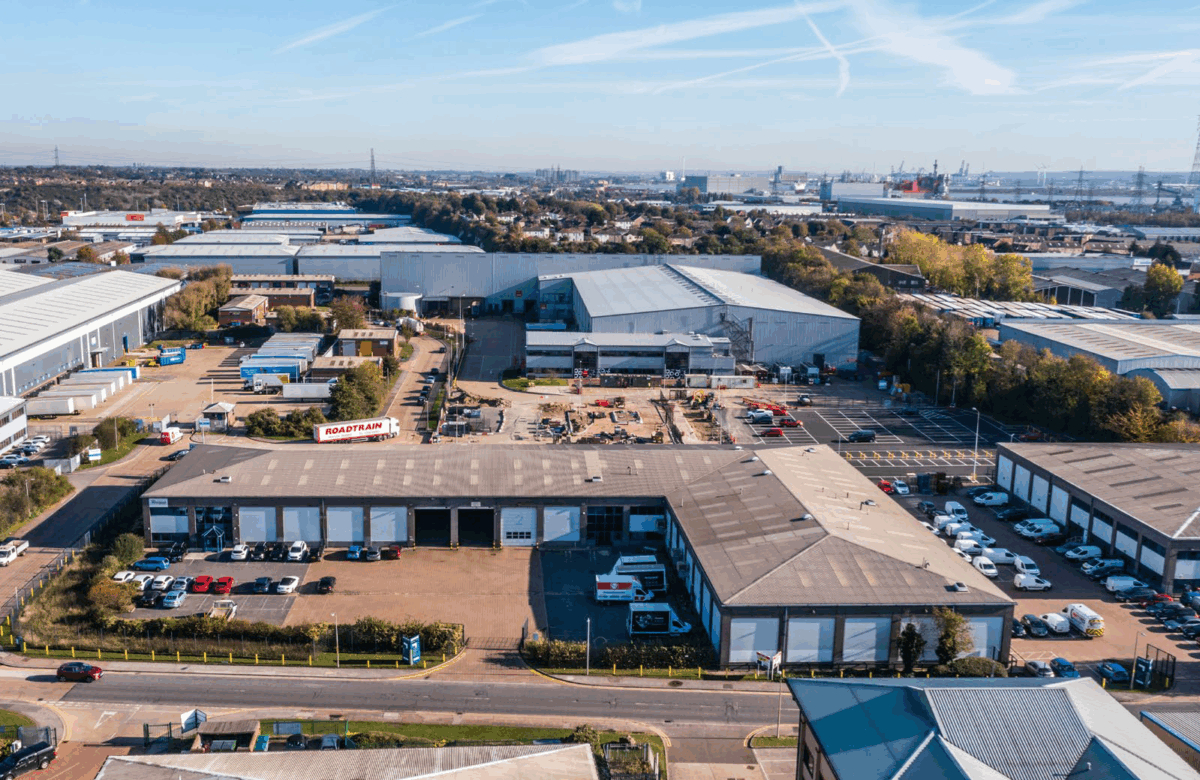
M7 are active asset managers across a broad portfolio of industrial and logistics sites throughout the UK. As a business, they are aligned to GRESB reporting standards and have set proactive targets for both their asset management and property management teams to implement improvements across their respective assets — ensuring they continue to deliver the best possible asset management services for their existing occupiers and prospective tenants considering taking space within the portfolio.
The Audit
Trustek were appointed to complete GRESB audits across all of M7's existing assets. The majority of these were FRI (Full Repairing and Insuring) leased buildings, where the visibility of — and scope for intervention across — the technology infrastructure was inherently limited from M7's perspective. However, by providing M7 with a detailed understanding of the level of metering coverage, leak detection, and other GRESB-related items across each asset, Trustek was able to identify the gaps within their existing portfolio of more than 70 individual units and support them on their journey to digitise and automate data collection across the portfolio.
This work was driven not only by the need to improve GRESB scoring for the asset management team, but also to remove the significant manual data collection burden required of the team each year in order to capture utility and consumption data. In addition, the audit process presented an opportunity to provide transparency, engagement, and proactive asset management to the existing occupier base — going beyond the traditional landlord role to provide occupiers with meaningful data on how they can operate and optimise their own spaces.
The industrial landscape differs fundamentally from the office sector in that occupiers will typically consume or generate up to 90% of the energy within each asset, with a very minimal proportion attributable to the landlord. With a wide portfolio of unit sizes ranging from 5,000 sq ft to 50,000 sq ft and above, and a diverse range of use classes spanning everything from cold storage through to light manufacturing, each occupying business has a completely different energy profile and operational use case for the industrial unit they occupy. By providing M7 with an understanding of the operational technology beyond the front door — including lighting controls, Building Management Systems (BMS), and smart metering — Trustek was able to build a structured framework to identify the areas where value could be added, both to the asset and to the occupiers themselves.
Looking Ahead
The next stage, following the completion of these audits, is to work through a competitive procurement process to ensure that the right technology solutions are identified for M7 and can be deployed across their wider portfolio to standardise and — critically — automate data collection. Removing the manual burden from this process would not only benefit M7 as asset managers, but would also remove the need to request consumption data directly from occupiers. The added benefit is providing occupiers with greater energy transparency in relation to their on-site consumption levels, and ideally taking them on a journey towards identifying pathways to decarbonise their assets — or at the very least, encouraging further investment to support their progress towards net zero.
Image source: M7 Real Estate, via official assets gallery.
More Case Studies
.jpg)