

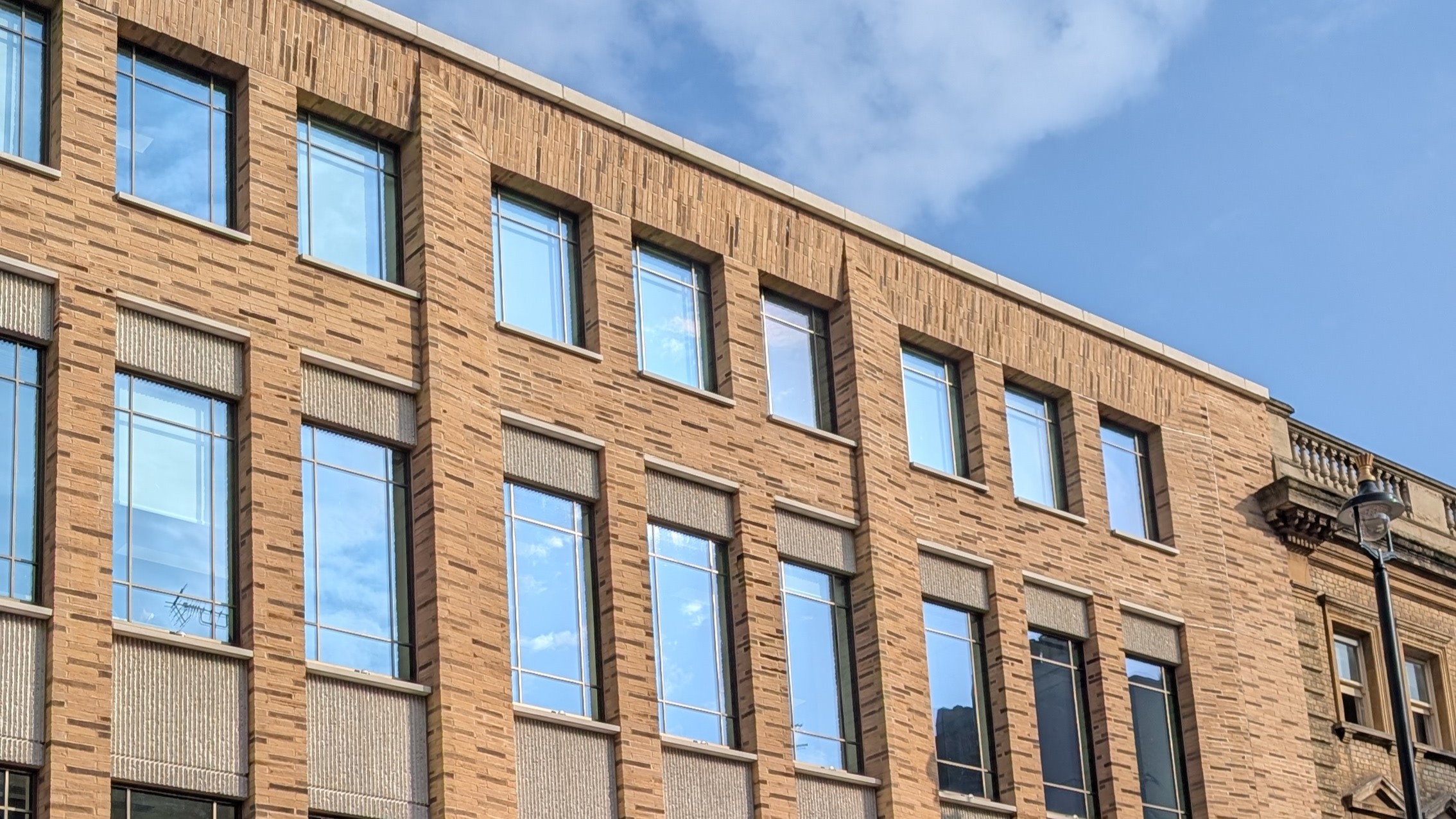
Audit and Consultancy for the Howard de Walden Estate
Trustek was brought in to complete OpTech audits of over 30 buildings across the Howard de Walden Estate, in preparation for a comprehensive metering upgrade as part of their commitment to decarbonising the estate.
Building Size: Portfolio
Location: Marylebone, London
The client
The Howard de Walden Estate is one of the great London estates. Its portfolio spans more than 800 buildings across Marylebone, including Harley Street and Marylebone High Street.
The estate contains a variety of building types. Residential, commercial office, retail and medical assets sit side by side, from new developments to heritage buildings, many of them listed.
The challenge
Howard de Walden has committed to decarbonising its estate over the next few years. With so many asset types, ages and use classes, that is a demanding goal, and it depends on knowing exactly how much energy each building uses.
A comprehensive metering upgrade sits at theheart of the strategy. But the starting picture was unclear:
- Metering data was inaccurate for many buildings
- Many meters were still being read manually
- Automatic meter readers (AMRs) sat alongside old, non-MID compliant meters
Before committing to an upgrade programme, the estate needed a reliable view of what was actually installed in each building.
Our approach
Trustek was appointed to carry out OpTech audits across an initial 30+ assets, chosen to represent the breadth of the estate.
Our auditors surveyed each building on site and recorded the findings in the Trustek audit platform. Every audit followed the same structured question set, so results from a listed Harley Street townhouse could be compared directly with those from a modern office.
Alongside metering, each audit captured the wider operational technology in the building: connectivity, building management systems (BMS) and IoT devices.
What we found
The audits gave Howard de Walden a building-by-building map of its metering, and a portfolio-level view of the technology underneath it.
- Metering coverage: which utilities and areas were metered in each building, and to what standard
- Gaps: where metering was missing, inaccurate or reliant on manual reads
- Quick wins: what data could be made available easily through upgrades to existing meters or targeted new installations
- Portfolio insights: a consistent picture of connectivity, BMS coverage and IoT devices across the assets, showing which buildings are ready to support smart metering and which need groundwork first
The outcome
Howard de Walden now has an evidence base for its metering upgrade. Instead of specifying blind, the estate can prioritise buildings, scope works accurately and target the investment where it will improve data quality most.
The connectivity, BMS and IoT findings go further than metering alone. They give the estate a foundation for future smart building decisions as the decarbonisation strategy moves forward.
Planning a metering or decarbonisation programme across a mixed portfolio? Talk to Trustek about a Building Audit.
Image source: Trustek Audit, 20 Thayer Street