Key Takeaways from the Trustek Audit Launch Event
If you missed the launch of the Trustek Audit Platform, here are the top highlights from the event so you can catch up.
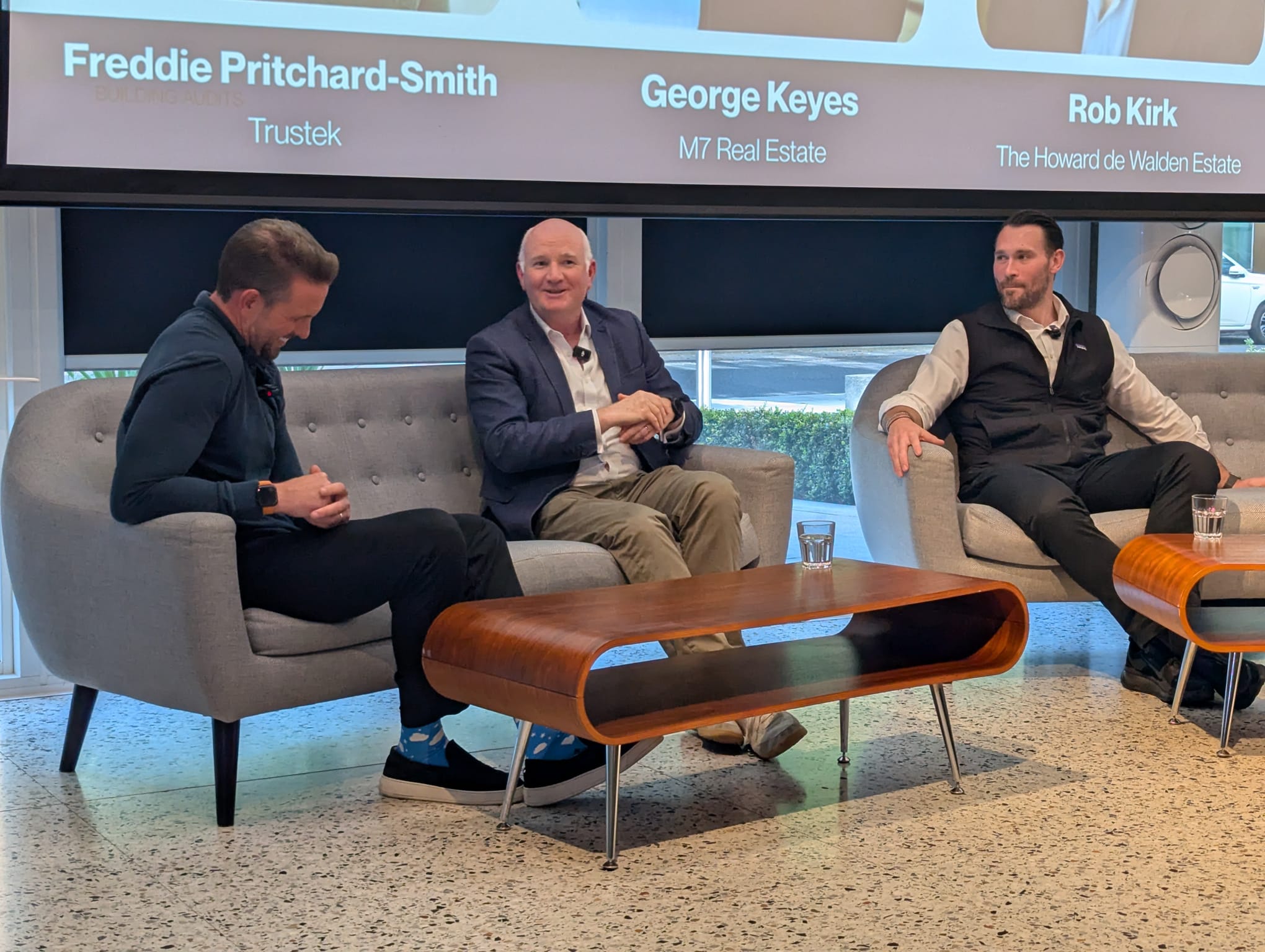
Commercial real estate is at a turning point. Rising costs, shifting tenant expectations, and growing sustainability pressures are pushing owners and operators to rethink how buildings are managed. At the same time, the PropTech landscape continues to expand, but many still struggle to connect technology with the realities of day-to-day operations.
At the Trustek Audit Launch event, a consistent theme emerged: the gap between digital potential and on-the-ground execution remains one of our sector’s biggest challenges. For both CRE owners and PropTech suppliers, limited visibility into how buildings actually perform makes it harder to identify the inefficiencies and validate the solutions. Despite best efforts, innovation begins to stall.
The new Trustek audit platform is designed to bridge that gap. It provides a structured, real-world view of building operations and performance, and suggests the best path forward
Read on to find the key takeaways from the event, highlighting where the industry is today and where the biggest opportunities lie.
1. Digital transformation in property is still a gap to be bridged
While many industries have fully embraced digital transformation, the property sector is still catching up. Legacy systems, fragmented data, and deeply ingrained processes mean that innovation often happens in pockets rather than at scale. This creates a clear gap between what technology can enable and what is currently being practiced on the ground. Bridging this divide isn’t just about adopting new tools; it requires rethinking workflows, integrating systems, and building a culture that values data-driven decision-making. Organisations that successfully close this gap stand to gain significant advantages in efficiency, tenant experience, and long-term asset value.
2. Real-world experience is critical to innovation
One of the strongest insights is that meaningful innovation doesn’t come from theory alone - it comes from experience. Spending time on-site, working alongside facilities teams, auditing buildings, and engaging directly with landlords provides a level of understanding that no dashboard or report can replicate. These experiences reveal the everyday challenges, inefficiencies, and workarounds that technology must address. Without this grounding, solutions risk being disconnected from reality. The most effective innovations are those built with a deep appreciation of how buildings operate in reality.
3. The PropTech landscape is rapidly expanding across sectors
PropTech is no longer confined to a single segment of the real estate market. While commercial office spaces were early adopters, innovation is now spreading across industrial, student housing, and build-to-rent sectors. Each of these areas brings its own operational complexities and opportunities for technology to add value. For example, industrial spaces may prioritise logistics and energy efficiency, while student housing focuses more on community experience and digital services. This diversification signals a maturing ecosystem where tailored solutions are becoming the norm rather than one-size-fits-all platforms.
4. Education and change management are just as important as technology
Introducing new technology is only half the battle - the other half is getting people to use it effectively. A recurring theme is the need to “preach the gospel” of digital transformation, helping stakeholders understand not just how tools work, but why they matter. Resistance to change, lack of training, and uncertainty about ROI can all slow adoption. Successful implementation requires clear communication, ongoing education, and strong leadership support. When people understand the benefits and feel confident using new systems, technology becomes an enabler rather than an obstacle.
5. Scale brings deeper insight into industry challenges and opportunities
Working across large property portfolios provides a unique vantage point. Patterns begin to emerge - common inefficiencies, recurring maintenance issues, and shared tenant needs - that might not be visible at a smaller scale. This broader perspective allows organisations to identify opportunities for standardisation, automation, and strategic investment. It also strengthens the case for innovation, as insights are backed by data from multiple assets rather than isolated examples. Ultimately, scale doesn’t just amplify operations - it enhances understanding, enabling smarter and more impactful decisions.
Conclusion
Ultimately, one thing is clear: better decisions start with better visibility. Whether you’re managing assets or delivering technology, understanding what’s really happening inside buildings is critical to driving meaningful progress.
By participating in our audit platform, CRE owners can gain clearer operational insights, while PropTech suppliers can ground their solutions in real-world data. It’s an opportunity to move beyond assumptions and start building meaningful change from data instead of letting it stagnate.
If you’re looking to benchmark performance, validate innovation, or uncover new opportunities, now is the time to get involved.
Trustek brings clarity from confusion. Reach out today to find out how!
Author Info

Freddie Pritchard-Smith

Freddie has a foundation in commercial real estate having worked for over 10 years with some of the most prestigious landlords in the Central London office market, such as LaSalle Investments, Shaftesbury and Blackstone.
Back in 2018 he pivoted his career to build and launch a tenant engagement mobile app and smart building platform called Savvy.
Savvy was deployed in 15 buildings across the country and is used by thousands each day as well landlords like Derwent London and Clearbell.
Freddie’s background in both real estate and technology enables him to understand the nuances in both commercial and technology development processes. It also drives his passion for seeing underutilised proptech succeed and ensure that any technology provides an enjoyable experience for customers.
You Might Also Like
-2.jpeg)



-5.png)

-3-2.png)